

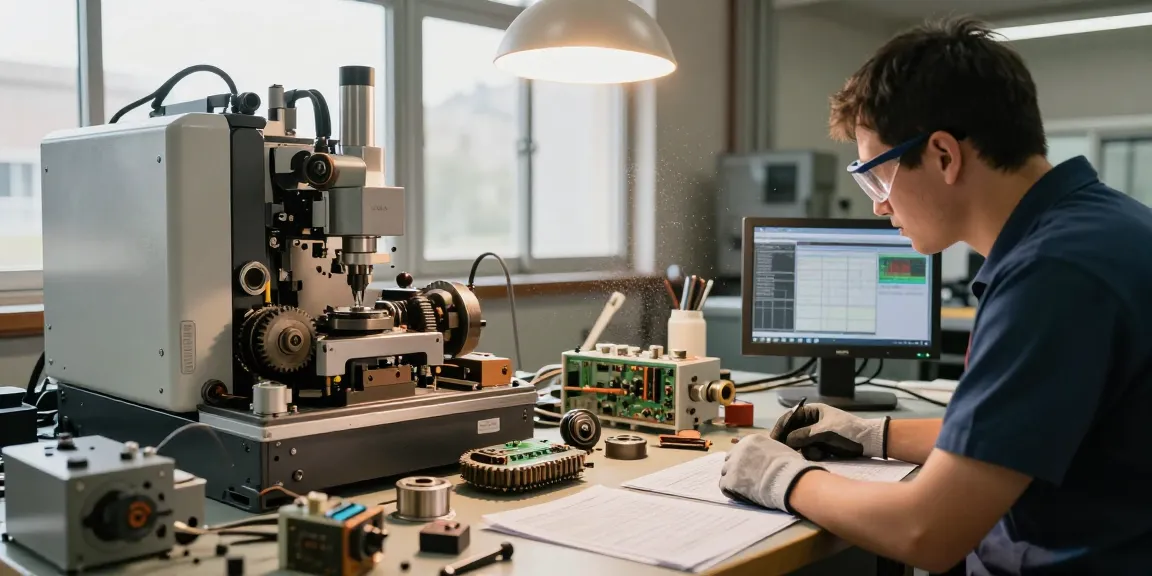
Introduction to the depo 5000
The depo 5000 represents a significant advancement in industrial machinery, offering unparalleled versatility and efficiency for a variety of applications. As industries increasingly rely on sophisticated equipment to maintain competitive edges, understanding the capabilities and benefits of the depo 5000 is crucial. This article delves into what the depo 5000 is, its key features, applications across different sectors, and the importance of proper setup and maintenance. When exploring options, depo 5000 provides comprehensive insights into modern machinery solutions, demonstrating why it has become a preferred choice among professionals.
What is the depo 5000?
The depo 5000 is an advanced piece of industrial machinery specifically designed for efficiency and reliability. It integrates cutting-edge technology to enhance productivity and reduce operational costs. With its robust construction, the depo 5000 is capable of handling heavy loads and performing complex tasks, making it suitable for various industrial applications such as manufacturing, logistics, and construction. Its adaptability allows it to function seamlessly in different environments, making it a versatile tool in any industrial setting.
Key Features and Benefits of the depo 5000
One of the standout features of the depo 5000 is its modular design, which allows for easy upgrades and customization. This means that businesses can adapt the machine to meet evolving demands without needing to invest in completely new equipment.
- High Efficiency: The depo 5000 operates with minimal energy consumption, which not only reduces costs but also supports sustainability efforts.
- User-Friendly Interface: The system is designed with intuitive controls and a digital interface, making it easy for operators to navigate and manage tasks efficiently.
- Durability: Built with high-quality materials, the depo 5000 is engineered to withstand harsh working conditions and prolonged use.
- Advanced Safety Features: Safety is a top priority; the depo 5000 incorporates various safety protocols to protect operators and reduce the risk of accidents.
Applications in Various Industries
Due to its versatile nature, the depo 5000 finds applications across diverse industries. In manufacturing, it enhances production lines by streamlining assembly processes. In logistics, it optimizes inventory management through efficient loading and unloading capabilities, while in construction, it is invaluable in moving materials swiftly and safely.
Each industry benefits from the unique capabilities of the depo 5000, improving workflows and increasing overall efficiency. The adaptability of this machinery to various tasks poses a significant advantage for companies across different sectors.
Understanding Industrial Machinery Basics
Common Terminology in Machinery
Familiarizing oneself with common terminology is essential for effective operation and communication in industrial settings. Terms such as “load capacity,” “turning radius,” and “maintenance interval” are crucial for understanding the capabilities and requirements of machines like the depo 5000. This knowledge empowers operators to make informed decisions and enhances productivity by minimizing misunderstandings.
Operational Principles of the depo 5000
The operational principles behind the depo 5000 hinge on its advanced mechanical and electronic systems. The machine utilizes hydraulic and pneumatic systems to execute precise movements while maintaining stability and power. Understanding these operational principles is vital for maximizing the efficiency and output of the depo 5000.
Safety Standards and Compliance
Adhering to safety standards and compliance regulations is non-negotiable in industrial operations. The depo 5000 is designed to meet or exceed these standards, ensuring a safe working environment for all operators. Regular safety audits and training sessions are recommended to reinforce compliance and enhance safety practices in the workplace.
Setup and Installation Guide
Preparing Your Workspace for the depo 5000
Before installation, it’s crucial to prepare your workspace adequately. Ensure that the area is clean, well-lit, and free of obstructions. Additionally, check for proper power supply and ventilation to support the operation of the depo 5000.
Step-by-Step Installation Process
- Review the manufacturer’s installation manual for specific requirements.
- Set up the machine on a level surface, ensuring sufficient space around it for operation and maintenance.
- Connect the hydraulic and electrical systems as per guidelines.
- Perform initial safety checks before powering on the machine.
Essential Tools and Equipment Needed
To install the depo 5000, you will need several tools and equipment including screwdrivers, wrenches, and a multimeter for electrical connections. Ensuring that you have all necessary tools at hand will streamline the installation process.
Maintenance and Troubleshooting
Regular Maintenance Practices for Longevity
Maintaining the depo 5000 is essential for its longevity and optimal performance. Regularly scheduled maintenance should include checking hydraulic fluid levels, inspecting electrical connections, and replacing worn components. Keeping a detailed log of maintenance tasks can help track performance over time.
Common Issues and Their Solutions
Operators may encounter various issues while using the depo 5000, such as hydraulic leaks or electrical malfunctions. Common troubleshooting steps include:
- Inspecting hoses and seals for leaks.
- Checking electrical connections for corrosion or damage.
- Resetting the system if the machine becomes unresponsive.
When to Seek Professional Assistance
If problems persist after troubleshooting, it may be time to consult with a professional. Engaging a certified technician can prevent further damage and ensure that the depo 5000 operates efficiently and safely.
Future Trends in Industrial Machinery
Innovative Technologies to Watch in 2026
As technology continues to evolve, the industrial machinery sector is witnessing rapid advancements. Emerging innovations such as IoT integration, AI-driven automation, and enhanced robotics are set to revolutionize operations. By 2026, we can expect machines like the depo 5000 to incorporate more intelligent features that further optimize performance.
Impact of Automation on Machinery Operations
The rise of automation is transforming how machinery operates, reducing labor costs and increasing precision. The depo 5000 is likely to benefit from these advancements, enabling operators to focus on complex tasks while routine functions are managed automatically.
Predicting the Future of the depo 5000 and Similar Machinery
Looking ahead, the depo 5000 is poised to adapt to new trends while continuing to meet the demands of diverse industries. Its ability to evolve will ensure its relevance and utility in future industrial applications, making it a staple piece of equipment for years to come.
What are the best practices for operating the depo 5000?
Best practices involve regular operator training, adherence to safety protocols, and routine maintenance checks. Using the machine within its specified limits is essential for preventing damage and ensuring longevity.
How do I effectively maintain the depo 5000?
Effective maintenance includes establishing a routine maintenance schedule, keeping the machine clean, and monitoring performance metrics to identify potential issues before they escalate.
What industries benefit most from using the depo 5000?
Industries such as manufacturing, logistics, and construction see significant benefits from utilizing the depo 5000, thanks to its adaptable functionality and efficiency.
What are the safety protocols while handling the depo 5000?
Essential safety protocols include wearing appropriate personal protective equipment (PPE), ensuring that safety features are operational, and following manufacturer guidelines for operation.
Can I customize the depo 5000 for specific tasks?
Yes, the depo 5000 can be customized to accommodate a range of tasks, allowing businesses to optimize its use for specific operational needs.
